I’ve written for Audubon and Birds&Blooms. I bird regularly on guided outings near my home and further afield. My last outing was in Central Park, NYC, led by an expert birder and naturalist, and organized by the Native Plant Society of N.J. I walk my neighborhood with my Merlin app turned on. When I travel, I check out the offerings of the local birding clubs to see if I can jump on one of their outings.
And yet I’m a terrible birder.
I have a tin ear, and an inability to tell warblers apart much less shorebirds. Fish crow or American crow? No idea. I keep meaning to sign up for a volunteer shift at the fall hawk watch near me, but worry I’ll embarrass myself because I can’t differentiate red-tailed hawks from rough-legged hawks. (Eagles and turkey vultures I can i.d.!)
Nevertheless, I love birding, and do it year-round. And I encourage everyone to give it a try because you don’t have to be good at it or experienced to enjoy birdwatching.
Guided bird walks are about much more than identifying birds. They’re about exploring new habitats, being in nature, hanging out with conservation-minded people, and physically moving though admittedly at a glacial pace. But don’t trust me. Trust the 96 million people in the United States who are drawn to birdwatching.
If you’ve never gone on a local guided birding walk, you should. Here are some tips to get you started:
You don’t have to be a member of a birding group to go on one of their walks. Most clubs lead walks that are free and open to the public. However, if you find yourself going on them several times, you should join. It’s typically about $25 a year.
If you don’t have binoculars, contact the club in advance. In most cases, they’ll have a loaner pair you can borrow.
Birding clubs often stick to nearby tried-and-true birding places. You don’t have to drive far to see really good birds. An Audubon chapter in my county runs two walks per week to about a half dozen nearby places. That makes it doable to do a walk without devoting the entire day to it. Note, too, that it’s okay to leave a walk early. Just let the guide know you’re leaving.
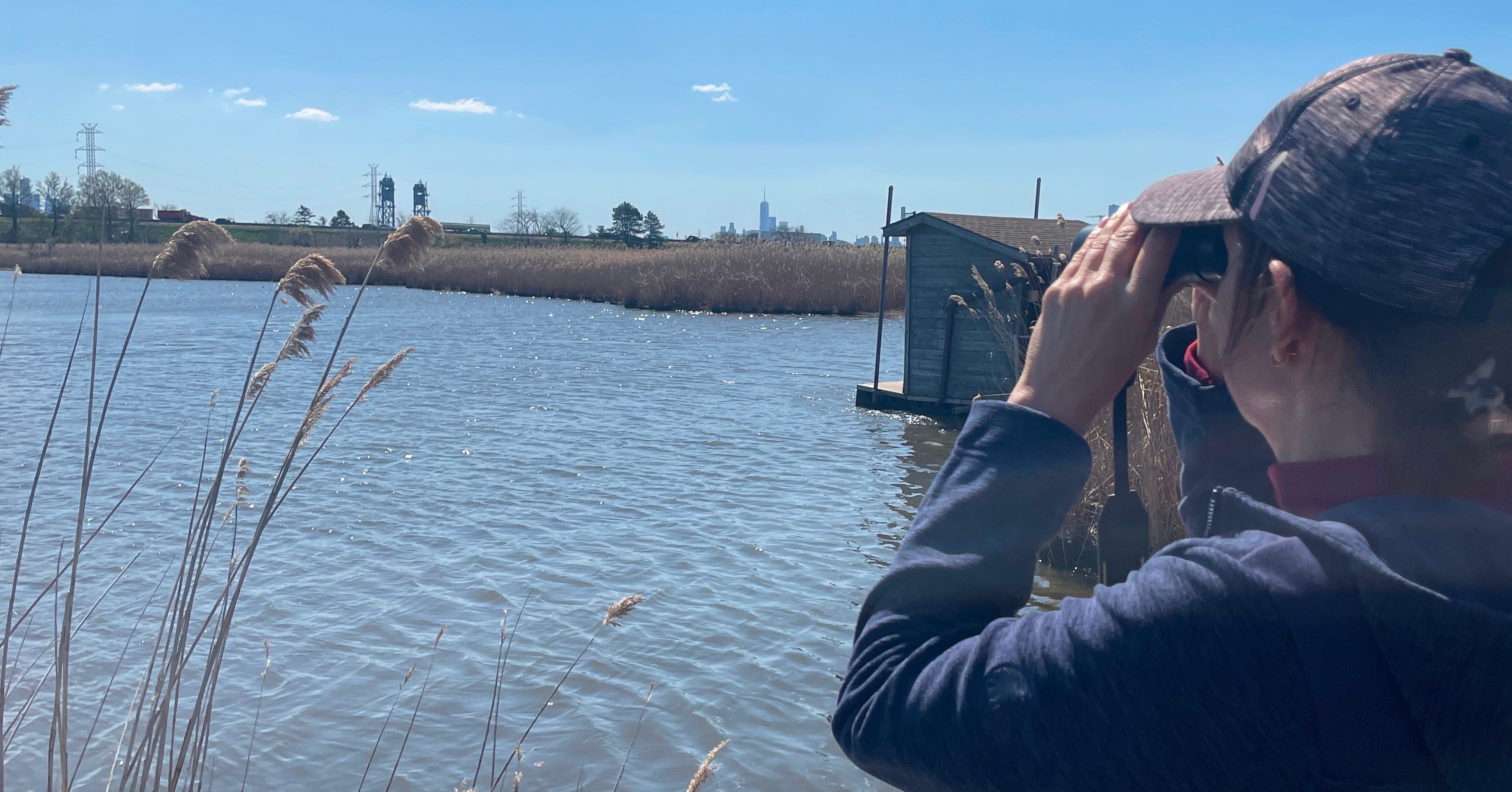
Not all walks are held in beautiful scenic areas because the birds don’t care. One of my clubs meets at a former illegal landfill in a corporate park, and at a marsh that sits between a major highway and Bob’s Discount Furniture and Mattress Store. The birding is very good.
Don’t limit yourself to one club. Try them out and see which one you like best. Chances are you’ll like them all. I personally belong to three clubs, and am eyeing joining a fourth. (I’m looking at you Saw Mill River Audubon!)
In addition to a guide leading the walk, expert birders and birding photographers are likely to also be on the walk. If your group is large, don’t glue yourself to the front of it by the guide. Even if you’re in the back, chances are there’ll be a really good birder there. The walk will also likely include photographers, who can get great shots of birds. If you couldn’t find a bird with your binoculars and the group has moved on, ask a photographer if you could view it on the camera’s screen. If no one captured the bird on their cameras, one of the birders may have a field guide, and can show you the bird you missed.
Group birding is social, but it’s not a chat fest. Let the birds issue their calls, and the birding leader and expert birders identify the birds by their calls, then try to find them. Talking and laughing spooks birds, and irritates those who came to find birds, not hear about your upcoming trip to Italy.
Keep quiet, and you’ll not only find more birds, you’ll also likely overhear birders discussing what birds have been sighted in the area, and other places where they bird that you might want to check out. I recently added two spots to my birding bucket list as a result of keeping my ears open—Port Jervis Watershed Park and Recreation Area, and Shawangunk Grasslands National Wildlife Refuge.
Go solo. Don’t feel awkward showing up alone. There will likely be many birders, and you’ll blend right in.
Look for walks run by groups other than birding clubs. Guided birding walks are routinely led by staff naturalists and volunteers at parks, nature preserves, and arboretums. Native plant clubs and butterfly clubs also often add birding guides to their walks.
Birdwatching is year-round. Spring migration may be winding down. But the next avian show is beginning—observing nesting and fledgling behaviors. And that’s the thing: Birding’s a year-round hobby. Birds don’t take a break to hibernate. It’s not like, “Well, it’s January, and all the birds will be out of sight for the month so might as well put away those binoculars.” Birds are always doing their birdy things. Maybe that’s part of the appeal.
What I’ve Been Writing About
Did you know that plant rescues are a thing? They are! When native plant groups hear of a trail being added or redirected, a parking lot being expanded at a natural area, or a house being built on land teeming with native plants, groups move to save them. One such group, Wild Woods Restoration Project, in the Hudson Valley, N.Y., does it all the time. I wrote about the group for Scenic Hudson—Inside the ‘Real-Life’ Plant Rescues of Valley Wildflowers.
When I heard about a native plant flower arranging competition being held at a county fair near me, I knew I had to write about it, and so I did—for Edible Jersey. Native Plants Put Their Best Blooms Forward covers the event, and includes an interview with Elizabeth Brown, author of The Beginner’s Cut Flower Garden (Timber Press, 2026), who discusses how to get the most out of a native plant arrangement. She also talks about how torrential rain in her Maine gardens rotted her dahlias but didn’t affect the yarrow (a native plant). “It made me realize that native plants are beautiful and sort of being passed over in favor of different flowers that aren’t native,” she said. In the piece, she offers suggestions for properly cutting pollinator plants while still leaving them intact to attract pollinators. (After all, we plant natives for pollinators.)
I’m still plugging away at my adult nonfiction book, The Great Local Outdoors: Local, Social, Dirt-Cheap Nature Outings From Wildflower Walks, to Moonlit Paddles, to Happy Hour Hikes, and Much More. Hoping to get it to an editor soon, and finalize the cover. Self-publishing is quite the journey.
How to Get Outside in June
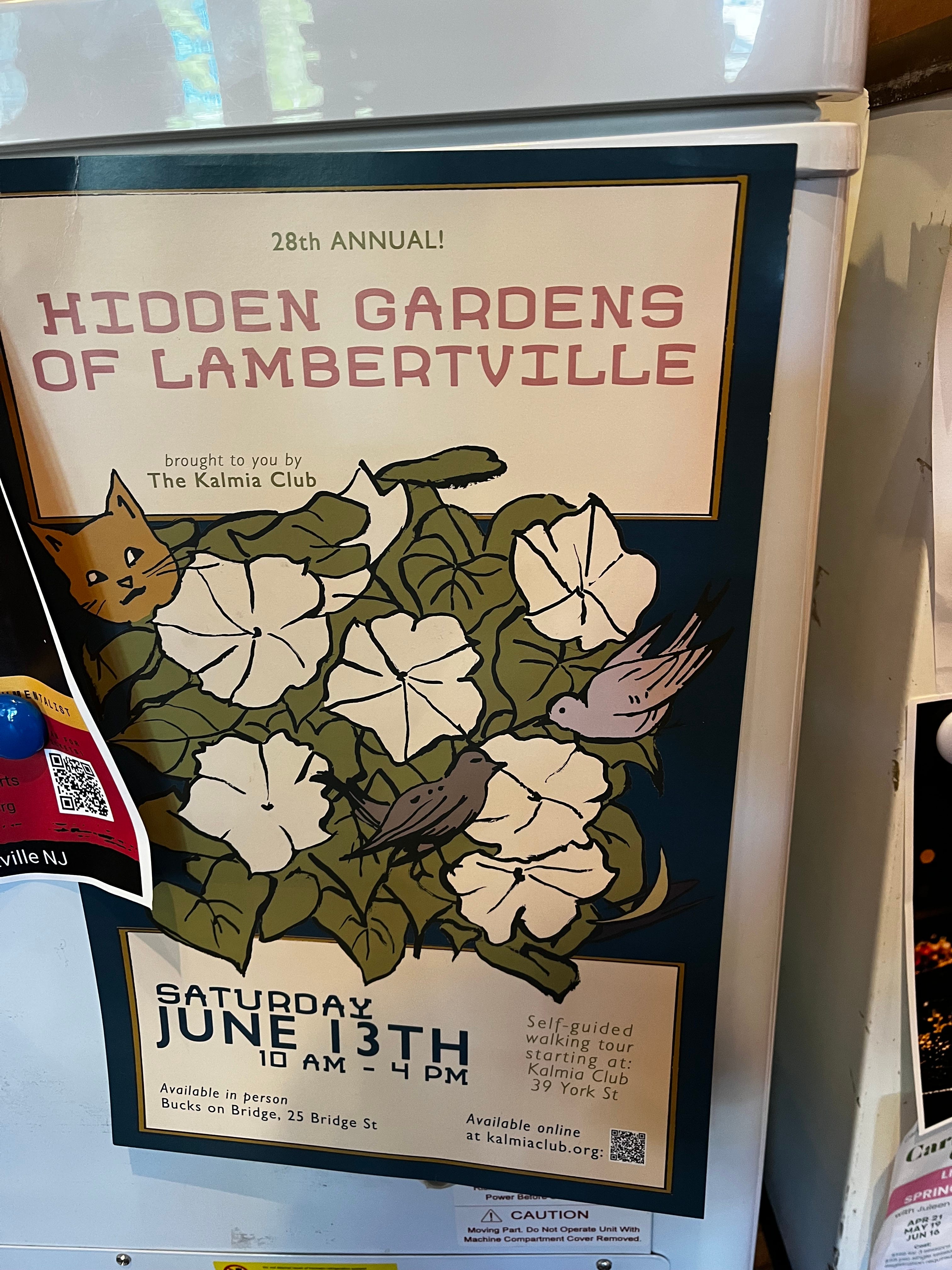
It’s garden tour time.
Look for tours run by native plant groups, towns and cities, gardening clubs, and historical societies. Also, check out The Garden Conservancy’s Open Days. You can sign up to receive notifications of tours near you.
Local garden clubs often put flyers in stores so look for them.