

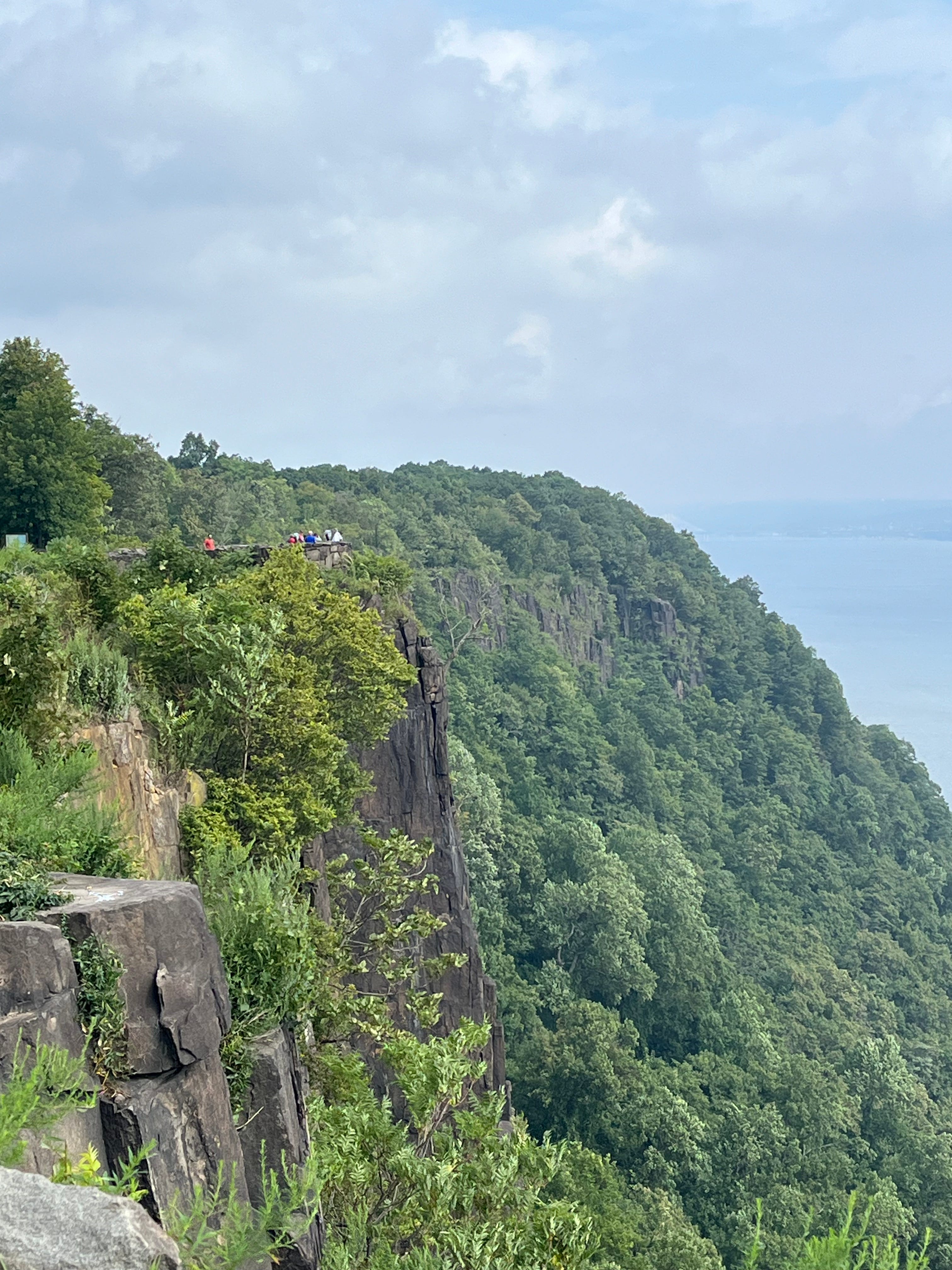
Every fall, raptors migrate south by the dozens, hundreds, and sometimes thousands, and hawkwatchers are hot on their tails.
Given that these birds of prey conserve energy by gliding on thermals (as opposed to flapping their wings), you have time to observe them as they seemingly float high in the sky. It’s a spectacle worth observing even if you’re not a birder. But it also draws you in, and quickly becomes an outing you want to experience several times during the season.
To get the most out of this phenomenon, visit a hawkwatch. A hawkwatch is a site lying along primary migration routes like mountain ridges and coastlines where volunteers count hawks, ospreys, eagles (bald and golden), northern harriers, American kestrels, peregrine falcons, merlins, and other raptors. These sites attract birders, non-birders, and photographers, and are typically manned by a counter who keeps track of the numbers and species of raptors flying by. Those numbers are submitted to the Hawk Migration Association of North America, which collects data from more than 200 sites.
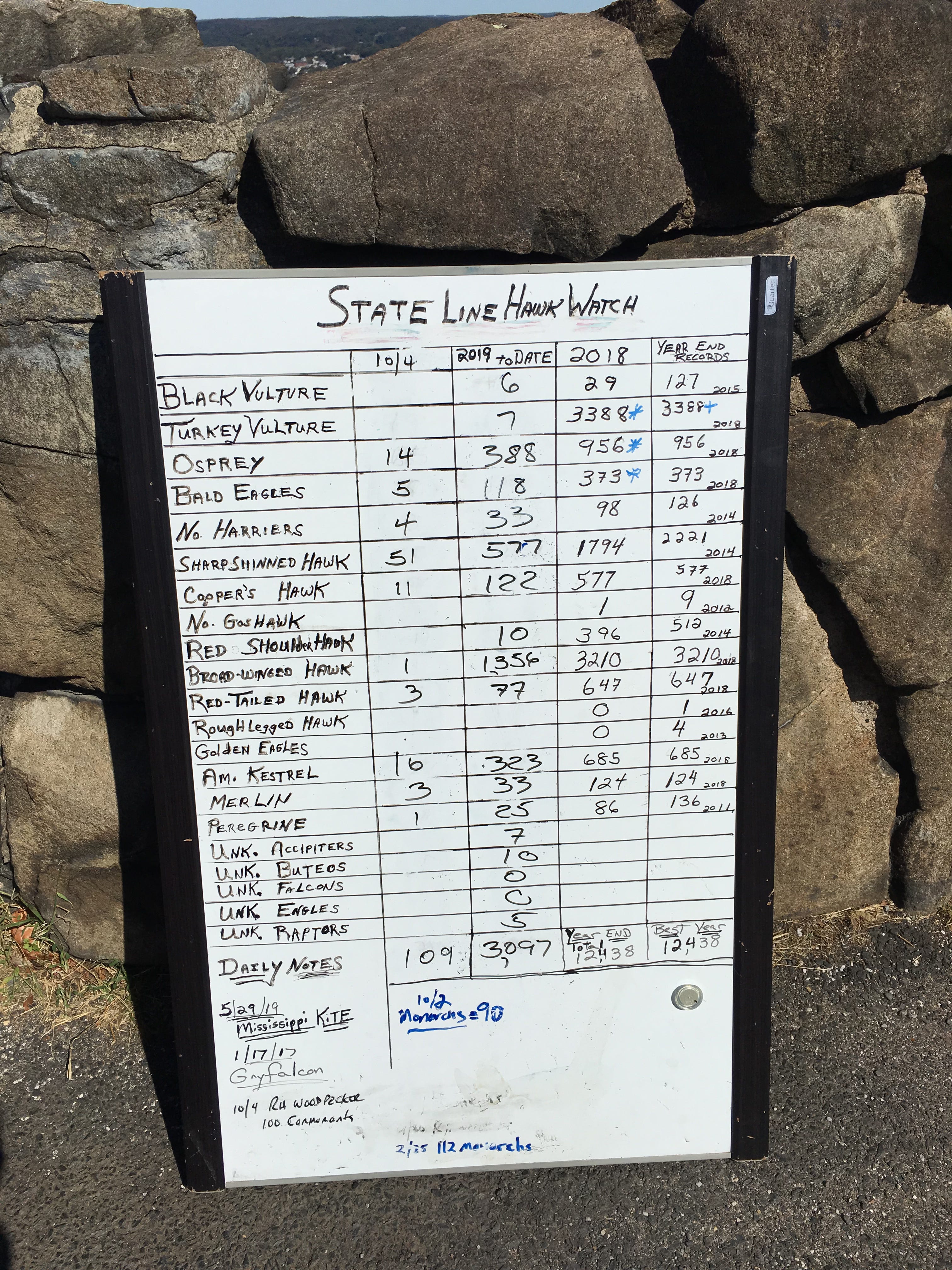
Counters might record the species and numbers on a dry erase board for everyone to see (see photo below). They also hand out raptor silhouette flyers to help i.d. the birds, advise you of the best weather conditions for spotting the most birds so you can plan your visits, and explain in real-time what’s happening in the sky.
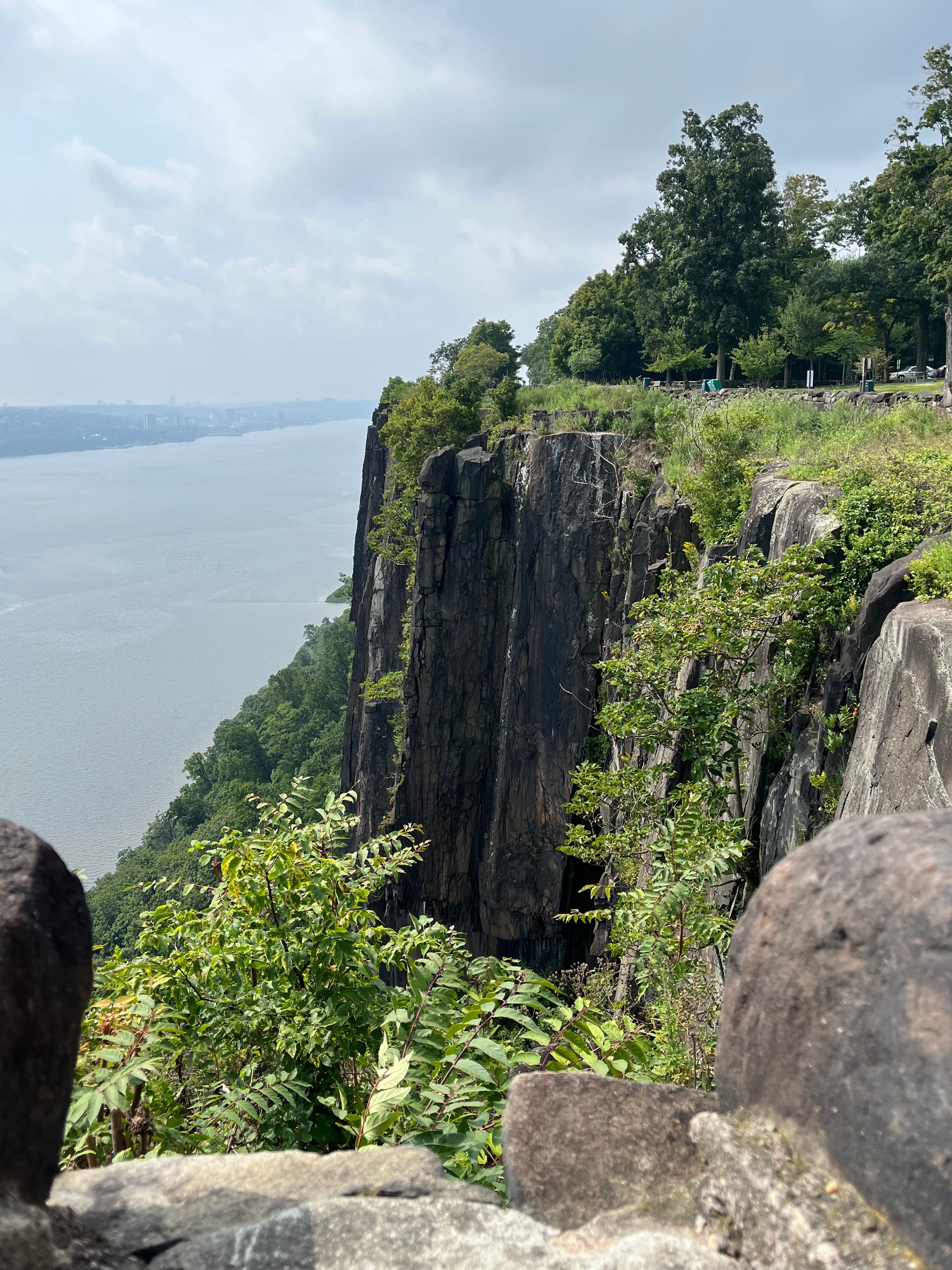
I visited five hawkwatches in my state for an article I wrote for New Jersey Monthly magazine. Each one was unique and welcoming, and I’m guessing that applies to all hawkwatches. One was on a raised platform in birding hotspot Cape May, another atop a ridge in urban Montclair, and still another in a parking lot next to Merrill Creek Reservoir where counters brought their own portable chairs, and handed out loaner binoculars and spice cookies. The one I return to year after year is the Palisade Interstate Park’s State Line Lookout—a round circular overlook 520 feet above the Palisades Cliffs that was built from Palisade stone in 1937 by the Works Progress Administration. Volunteers cover the watch from 9 a.m. to 4 p.m. September through mid-November.
How to get started at a hawkwatch:
First, find a hawkwatch near you. Go to the Hawk Migration Association of North America’s (HMANA) site selection map, and tap your state. Then tap the site closest to you for directions and information regarding accessibility, restrooms, and count season dates.
Check out HMANA’s New to Hawk Watching? section for information on what to bring, as well as other important info.
Pre-pack a daypack. Some hawkwatches are in a parking lot and have restrooms while others require an uphill hike and offer no restrooms, so plan accordingly. But always bring water, a snack and, if you have them, binoculars. You’ll want to go more than once during the season so having a pre-packed bag will give you one less excuse not to go.
Once you zero in on a watch site, check if it maintains a website or social media presence. It’ll give you a good idea of what’s happening there on a day-to-day basis. You’ll (virtually) meet the people there, see the sightings, and get a feel for the site’s vibe.
Consider volunteering as a counter. It’s safe to say that hawkwatches always need volunteers. Ask the counter about signing up for a shift. Who knows? Maybe they’ll take you under their wings.
Revving Up for the American Revolution’s Celebration
July 4, 2026, marks America’s 250th birthday. But why wait almost two years to get the party started? Certainly, historical societies and the nonprofits that raise money and awareness of American Revolution sites aren’t waiting. They’ve already started celebrating with festivals, guided history walking tours, bike rides, and runs at historic sites.
In August, I joined 30 others on a tour at Princeton Battlefield State Park. It was led by historian David Price, author of the upcoming book Winning the Ten Crucial Days: The Keys to Victory in George Washington’s Legendary Winter Campaign (Brookline Books, early 2025). The Battle of Princeton on Jan. 3, 1777, marked a turning point in the war as Gen. George Washington’s Continental army defeated British forces, and ended the ten crucial winter days of 1776-1777, from Washington’s crossing of the Delaware River on Christmas Eve to the Battle of Princeton.
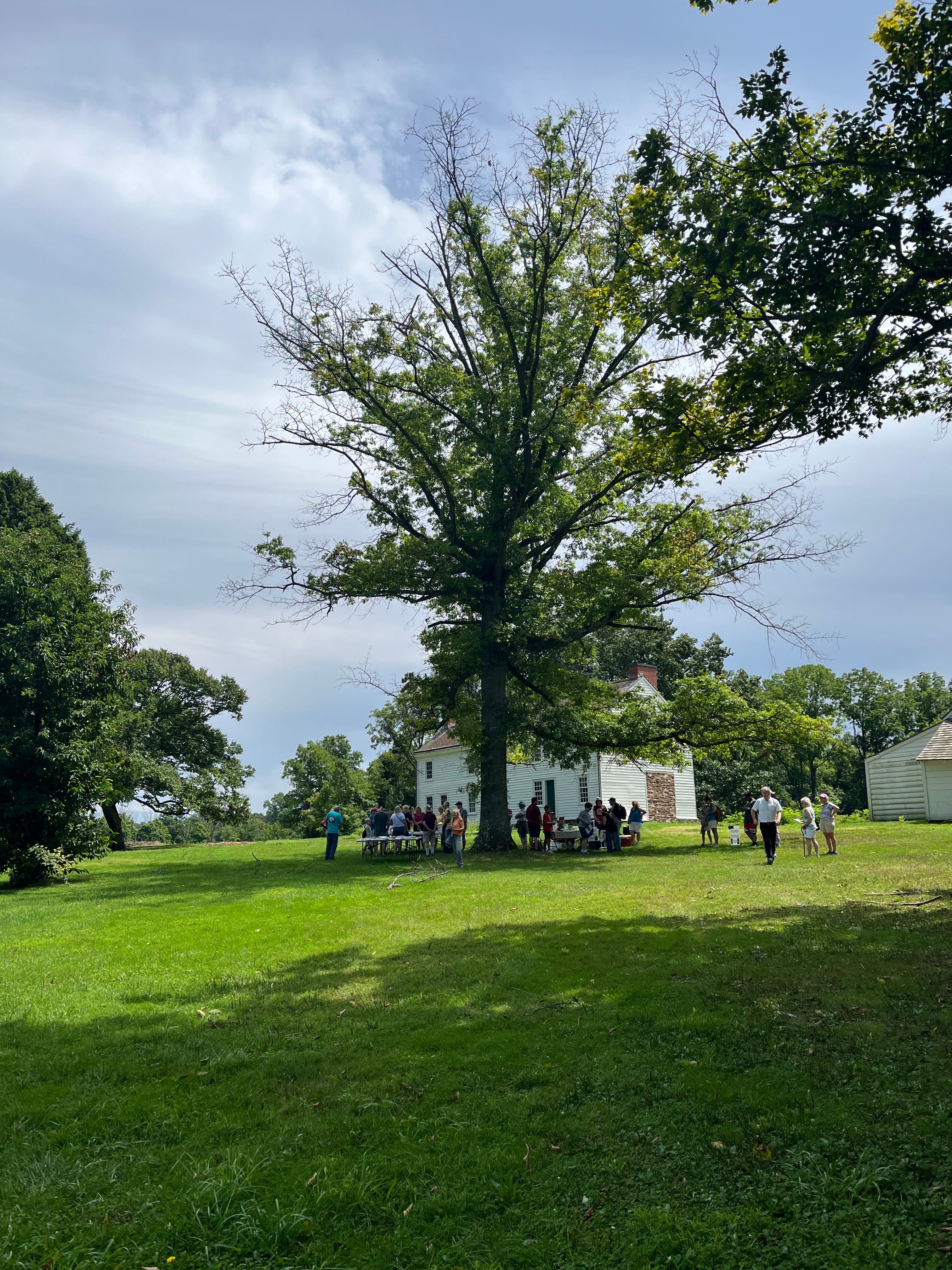
Like many state-operated historic sites, Princeton Battlefield State Park is assisted by a nonprofit, which in this case is the Princeton Battlefield Society. These nonprofits raise money, help maintain the site, and run events. Check out their websites, and start signing up for events. These outings fill up fast. Don’t expect to show up and get on a tour. At the tour mentioned above, the guides were continually turning away park visitors wanting to join the tour but hadn’t registered. In all, 60 people had registered for the tour, which were split into two groups.
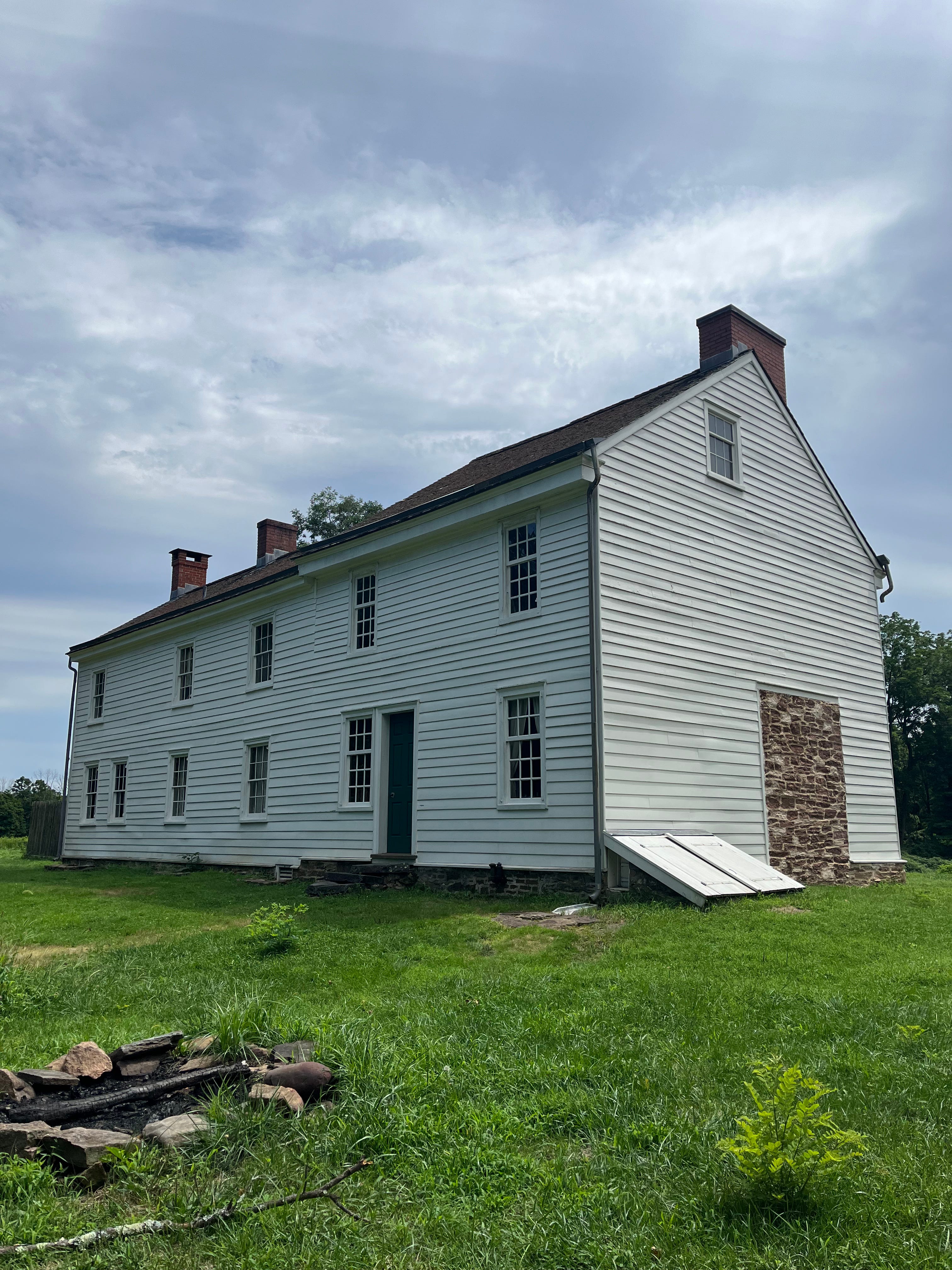
In many cases, too, states are pumping money into their Revolutionary sites in the hopes of turning them into heritage tourism destinations attracting visitors from around the world. In addition to a new visitor’s center, Princeton Battlefield will be restored to its 1777 appearance. Plans include replacing invasive plants with native species, and restoring an apple orchard where Continental army soldiers skirmished with British troops, as well as a path known as Sawmill Trace that soldiers marched on to battle. The idea is to recreate the scene Washington himself saw and traversed.
If you live near American Revolutionary War sites, grab your tri-cornered hat (or not), and take advantage of these outdoorsy offerings.
More Outsidey Stuff
I interviewed a wetland ecologist about marsh birds for Birds & Blooms magazine. In Meet the Marsh Birds That Live Among the Reeds, I zero in on seven of these birds, and how best to find them.
I’m writing a nonfiction book called The Great Local Outdoors. It’s like a field guide to your local outdoors. In it, I include the many ways local government and nonprofits are getting us into our nearby green and blue spaces. I’m currently revising the cover, and cutting my 70,000-word manuscript down to about 60,000 words or less. Cutting copy comes easy to me. As a former editor at The New York Times Syndicate, I routinely cut magazine articles of many thousands of words down to some 1,500 words.
I volunteer as the programs chair for the 107-acre Celery Farm Nature Preserve, Allendale, N.J. Our programs are free and open to the public. Our Sept. 27 (8 p.m.) program is a zoom webinar with Healther Wolf, author of Finds More Birds: 111 Surprising Ways to Spot Birds Wherever You Are. Heather blogs her fantastic photos at brooklynbridgebirds.com. You’ll need to register, and the link for that can be found at fykenature.org. The link will be there no later than Sept. 6, maybe earlier.

Keep an eye out for these types of outings in September, and register for them early:
River festivals. The best ones offer guided paddles and trail walks in addition to music and food.
Evening birding eco-cruises. In fall, small boats take folks out to witness purple martins and tree swallows congregating sometimes by the thousands at sunset swooping and diving as they dine before roosting for the night. Once again I waited too long and the purple martin outing on the Maurice River in southern N.J. sold out. I was able, however, to snag a spot on a Connecticut Audubon cruise focusing on tree swallows.
Organized bike rides. Look for rides that are car-free, meaning you’re either riding on trails or on streets closed to traffic. The Philly Bike Ride on Oct. 19 looks great, as does one I’ve already registered for: a full-moon 6-mile bike ride on the Lawrence Hopewell Trail (N.J.) with a DJ, glow-in-the-dark juggling show, and s’mores around a campfire. The event raises money to maintain and complete the trail.
What are you doing outdoors this month?